

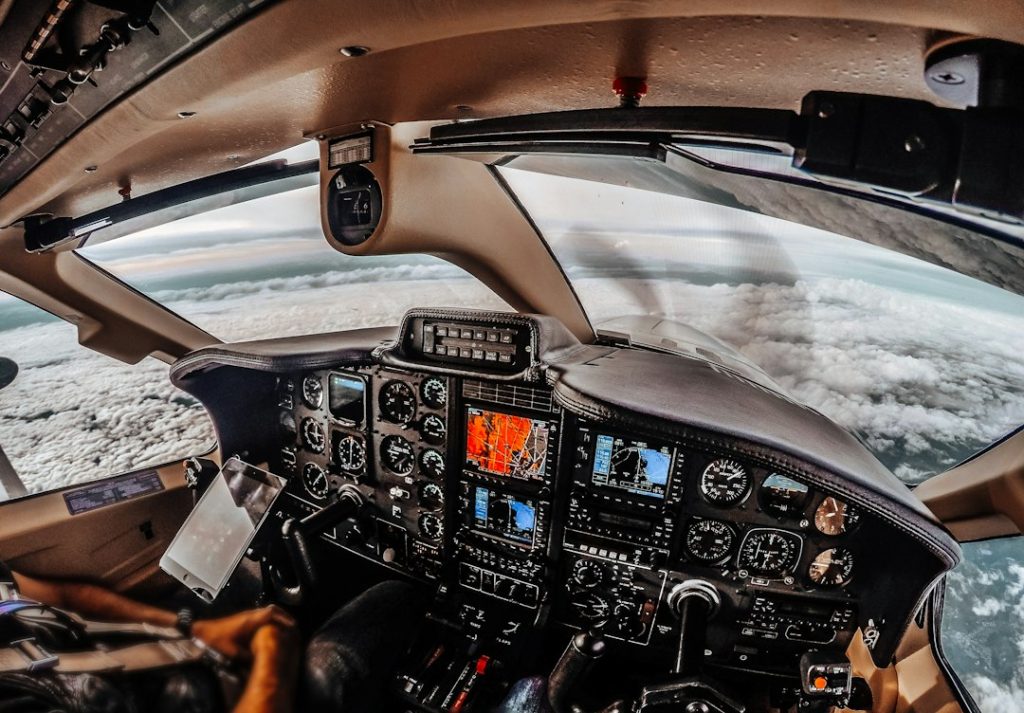
EmPower Flight announced a new aviation training provider in London, bringing sustainability, innovation and inclusion into pilot and cabin-crew education, with courses planned to begin in late February 2026. The development is relevant to the wider UK aviation community because it touches on the people, organisations and decisions that shape how flying evolves. For readers of Shadow Flight Centre, the story offers a useful view of the changes taking place beyond any single airfield or aircraft type.
What has happened
EmPower Flight announced a new aviation training provider in London, bringing sustainability, innovation and inclusion into pilot and cabin-crew education, with courses planned to begin in late February 2026. The announcement should be read in its proper context: it describes a specific development at a particular point in time, rather than a complete picture of the sector. The details matter, and the next stages will show how the initial decision or achievement translates into practical outcomes.
Why the development matters
The launch adds another specialist voice to a training market facing pressure to prepare people for a changing aviation sector. Alongside established flying skills, future professionals will need to understand new propulsion concepts, evolving operating environments and the importance of consistent safety culture.
The wider aviation picture
A training provider’s values matter because they influence how students approach teamwork, communication and professional responsibility long before they reach an operational role. Across general aviation, training and the wider aerospace sector, developments rarely happen in isolation. They influence confidence, investment, skills and public understanding. That is why a seemingly specialised announcement can be relevant to people well beyond the organisation directly involved.
What happens next
The important next milestones are the provider’s first course intake, the structure of its APS-MCC training and how its associated cabin-crew programme develops. Prospective students will naturally want clear information about entry requirements, course delivery, instructor experience and the support available during training.
The human side of aviation
Aviation is built around people working together: pilots, instructors, engineers, airfield teams, regulators, volunteers and local communities. Changes in policy or technology become meaningful when they improve the way these groups work, learn and plan. The strongest developments are those that combine ambition with realistic expectations and clear communication.
What readers should take away
For the wider aviation community, the announcement is a reminder that the industry’s future depends on people as much as technology. New aircraft and new fuels attract attention, but capable instructors and well-prepared students remain central to safe progress.
Looking ahead
The story will continue to develop as more information becomes available and the organisations involved move from announcement to implementation. Readers should distinguish confirmed facts from future expectations, and check current official guidance before making decisions that affect training, licensing, aircraft ownership or travel. Shadow Flight Centre will continue to follow the broader themes shaping British flying, from grassroots aviation to the technologies and skills that may define its future.


Komentar