

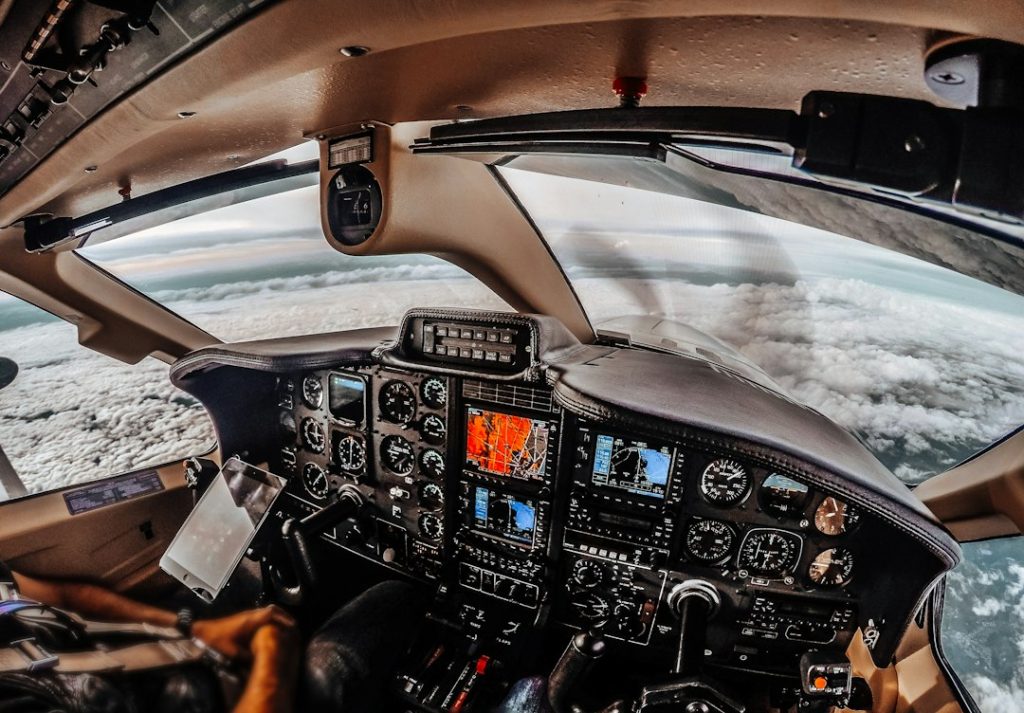
Jet2.com reopened its Jet2FlightPath programme for 2026, offering at least 60 aspiring pilots a route into airline training without personally funding the headline training cost of more than £100,000. The development is relevant to the wider UK aviation community because it touches on the people, organisations and decisions that shape how flying evolves. For readers of Shadow Flight Centre, the story offers a useful view of changes taking place beyond any single airfield or aircraft type.
What has happened
Jet2.com reopened its Jet2FlightPath programme for 2026, offering at least 60 aspiring pilots a route into airline training without personally funding the headline training cost of more than £100,000. The announcement should be read in its proper context: it describes a specific development at a particular point in time, rather than a complete picture of the sector. The details matter, and the next stages will show how the initial decision or achievement translates into practical outcomes.
Why the development matters
The programme followed the airline’s inaugural intake in 2025, when 60 candidates began an 18-month Airline Transport Pilot Licence course. The new announcement kept attention on access to a profession where training costs can be a major barrier.
The wider aviation picture
Fully funded schemes can change who is able to consider a flying career, but they remain competitive selection programmes rather than automatic routes into a cockpit. Candidates still need to demonstrate aptitude and commitment. Across general aviation, training and the wider aerospace sector, developments rarely happen in isolation. They influence confidence, investment, skills and public understanding. That is why a specialised announcement can be relevant to people well beyond the organisation directly involved.
What happens next
The next questions concern eligibility, assessment stages, training partners and the selection timetable. The programme’s value will be measured by how many trainees complete training and progress into airline roles.
The human side of aviation
Aviation is built around people working together: pilots, instructors, engineers, airfield teams, regulators, volunteers and local communities. Changes in policy or technology become meaningful when they improve the way these groups work, learn and plan. The strongest developments combine ambition with realistic expectations and clear communication.
What readers should take away
For flight schools and the wider sector, the initiative highlights the importance of transparent pathways. Clear information about costs, selection and career expectations helps people make informed decisions before committing to a demanding profession.
Looking ahead
The story will continue to develop as more information becomes available and the organisations involved move from announcement to implementation. Readers should distinguish confirmed facts from future expectations, and check current official guidance before making decisions that affect training, licensing, aircraft ownership or travel. Shadow Flight Centre will continue to follow the themes shaping British flying, from grassroots aviation to the technologies and skills that may define its future.
Komentar