

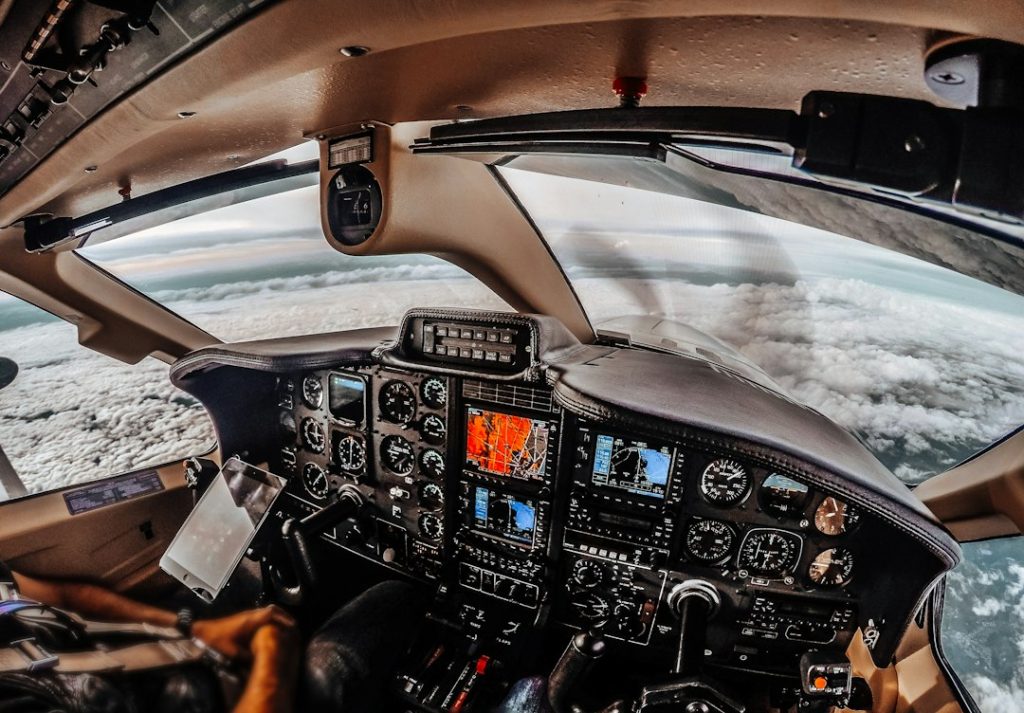
easyJet announced a new training route with Skyborne Airline Academy at Pilot Careers Live in London, saying it expected to need around 1,000 new pilots over the following five years. The development is relevant to the wider UK aviation community because it touches on the people, organisations and decisions that shape how flying evolves. For readers of Shadow Flight Centre, the story offers a useful view of changes taking place beyond any single airfield or aircraft type.
What has happened
easyJet announced a new training route with Skyborne Airline Academy at Pilot Careers Live in London, saying it expected to need around 1,000 new pilots over the following five years. The announcement should be read in its proper context: it describes a specific development at a particular point in time, rather than a complete picture of the sector. The details matter, and the next stages will show how the initial decision or achievement translates into practical outcomes.
Why the development matters
The plan divided the anticipated recruitment pathway between two models: around 500 pilots through an Airline Transport Pilot Licence route with Skyborne and another 500 through the airline’s established Multi-crew Pilot Licence partnership with CAE.
The wider aviation picture
The announcement illustrates how airlines can use more than one training pathway to build a future workforce. Different routes have different structures and commitments, so prospective cadets need to compare details rather than assume every programme offers the same experience. Across general aviation, training and the wider aerospace sector, developments rarely happen in isolation. They influence confidence, investment, skills and public understanding. That is why a specialised announcement can be relevant to people well beyond the organisation directly involved.
What happens next
The Skyborne pathway was presented as a structured route for people with little or no previous flying experience. Applicants will want to understand selection criteria, financing, conditional offers and what happens if a trainee does not meet a required standard.
The human side of aviation
Aviation is built around people working together: pilots, instructors, engineers, airfield teams, regulators, volunteers and local communities. Changes in policy or technology become meaningful when they improve the way these groups work, learn and plan. The strongest developments combine ambition with realistic expectations and clear communication.
What readers should take away
For the training industry, the partnership signals continued demand for organised pilot development. It also underlines the importance of matching recruitment ambitions with realistic training capacity, experienced instructors and consistent standards.
Looking ahead
The story will continue to develop as more information becomes available and the organisations involved move from announcement to implementation. Readers should distinguish confirmed facts from future expectations, and check current official guidance before making decisions that affect training, licensing, aircraft ownership or travel. Shadow Flight Centre will continue to follow the themes shaping British flying, from grassroots aviation to the technologies and skills that may define its future.


Komentar