

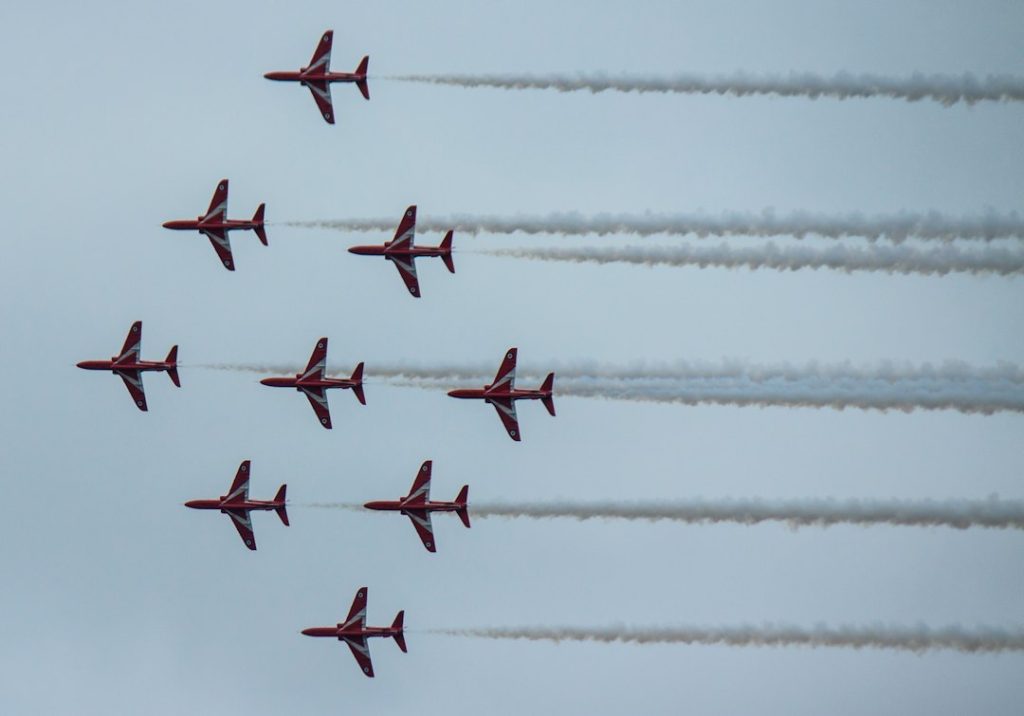
Organisers announced the cancellation of the 2026 Royal International Air Tattoo after discussions about international participation and access to RAF Fairford amid the ongoing Iran conflict. The development is relevant to the wider UK aviation community because it touches on the people, organisations and decisions that shape how flying evolves. For readers of Shadow Flight Centre, the story offers a useful view of changes taking place beyond any single airfield or aircraft type.
What has happened
Organisers announced the cancellation of the 2026 Royal International Air Tattoo after discussions about international participation and access to RAF Fairford amid the ongoing Iran conflict. The announcement should be read in its proper context: it describes a specific development at a particular point in time, rather than a complete picture of the sector. The details matter, and the next stages will show how the initial decision or achievement translates into practical outcomes.
Why the development matters
The decision was a major disappointment for visitors, aviation organisations and teams involved in preparing one of the world’s best-known military airshows. Large international events depend on many partners, and uncertainty around access and participation can affect whether a programme remains viable.
The wider aviation picture
An airshow is a complex undertaking involving aircraft, crews, infrastructure, security planning, international permissions and public ticketing. A cancellation therefore has consequences beyond the weekend itself, including travel plans, suppliers and the wider local economy. Across general aviation, training and the wider aerospace sector, developments rarely happen in isolation. They influence confidence, investment, skills and public understanding. That is why a specialised announcement can be relevant to people well beyond the organisation directly involved.
What happens next
The immediate focus for visitors was on organisers’ guidance about tickets and arrangements. The longer-term question was how the event would rebuild its programme and maintain international relationships for future editions.
The human side of aviation
Aviation is built around people working together: pilots, instructors, engineers, airfield teams, regulators, volunteers and local communities. Changes in policy or technology become meaningful when they improve the way these groups work, learn and plan. The strongest developments combine ambition with realistic expectations and clear communication.
What readers should take away
The cancellation showed how global events can affect even long-established aviation traditions. It also underlined the importance of clear communication when organisers must make difficult decisions in uncertain circumstances.
Looking ahead
The story will continue to develop as more information becomes available and the organisations involved move from announcement to implementation. Readers should distinguish confirmed facts from future expectations, and check current official guidance before making decisions that affect training, licensing, aircraft ownership or travel. Shadow Flight Centre will continue to follow the themes shaping British flying, from grassroots aviation to the technologies and skills that may define its future.


Komentar