

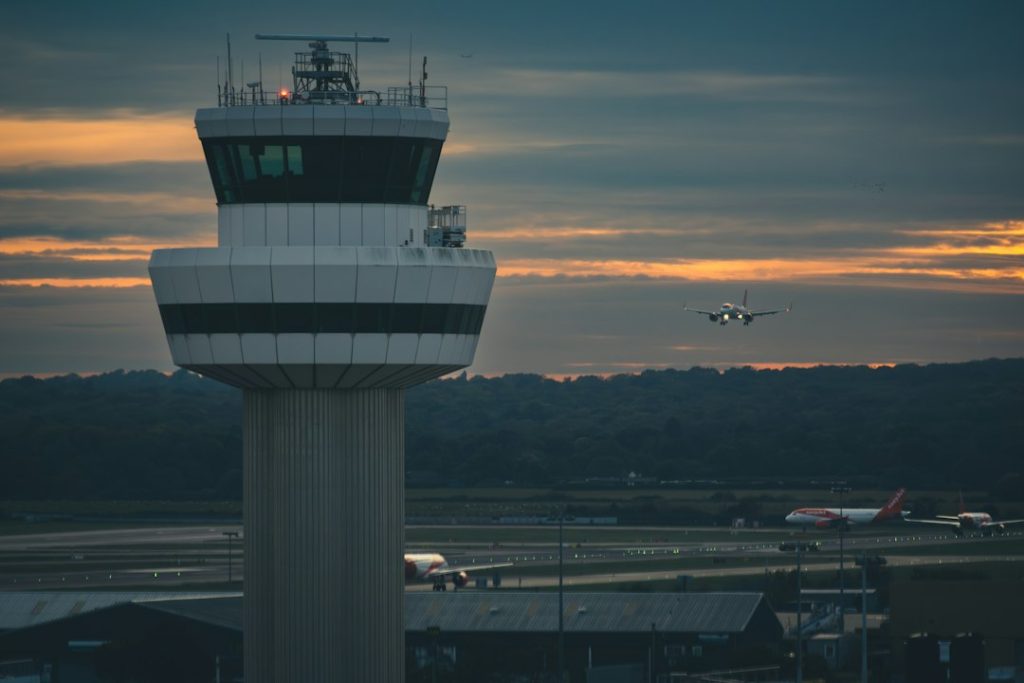
The UK Civil Aviation Authority reported that passenger numbers had delivered the strongest start to a year on record, pointing to sustained demand across the country’s aviation market. The development is relevant to the wider UK aviation community because it touches on the people, organisations and decisions that shape how flying evolves. For readers of Shadow Flight Centre, the story offers a useful view of changes taking place beyond any single airfield or aircraft type.
What has happened
The UK Civil Aviation Authority reported that passenger numbers had delivered the strongest start to a year on record, pointing to sustained demand across the country’s aviation market. The announcement should be read in its proper context: it describes a specific development at a particular point in time, rather than a complete picture of the sector. The details matter, and the next stages will show how the initial decision or achievement translates into practical outcomes.
Why the development matters
Passenger statistics provide a useful snapshot of how the aviation system is performing, but they also tell a wider story about airports, airlines, regional connectivity and the pressures placed on infrastructure during busy periods.
The wider aviation picture
Growth can create opportunities for airports and aviation businesses, while also increasing the importance of resilience, staffing, accessibility and reliable airspace management. A record figure is therefore only one part of the picture. Across general aviation, training and the wider aerospace sector, developments rarely happen in isolation. They influence confidence, investment, skills and public understanding. That is why a specialised announcement can be relevant to people well beyond the organisation directly involved.
What happens next
The next releases will help show whether the strong start continued through the summer and how demand was distributed across airports. Industry observers will also watch how operational disruption, international conditions and capacity constraints influence the rest of the year.
The human side of aviation
Aviation is built around people working together: pilots, instructors, engineers, airfield teams, regulators, volunteers and local communities. Changes in policy or technology become meaningful when they improve the way these groups work, learn and plan. The strongest developments combine ambition with realistic expectations and clear communication.
What readers should take away
For the wider UK aviation community, the figures underline the importance of planning for demand while maintaining service quality. Sustainable growth depends on more than passenger totals; it requires a system able to handle activity safely and reliably.
Looking ahead
The story will continue to develop as more information becomes available and the organisations involved move from announcement to implementation. Readers should distinguish confirmed facts from future expectations, and check current official guidance before making decisions that affect training, licensing, aircraft ownership or travel. Shadow Flight Centre will continue to follow the themes shaping British flying, from grassroots aviation to the technologies and skills that may define its future.

Komentar