

Reading time: 5 minutes
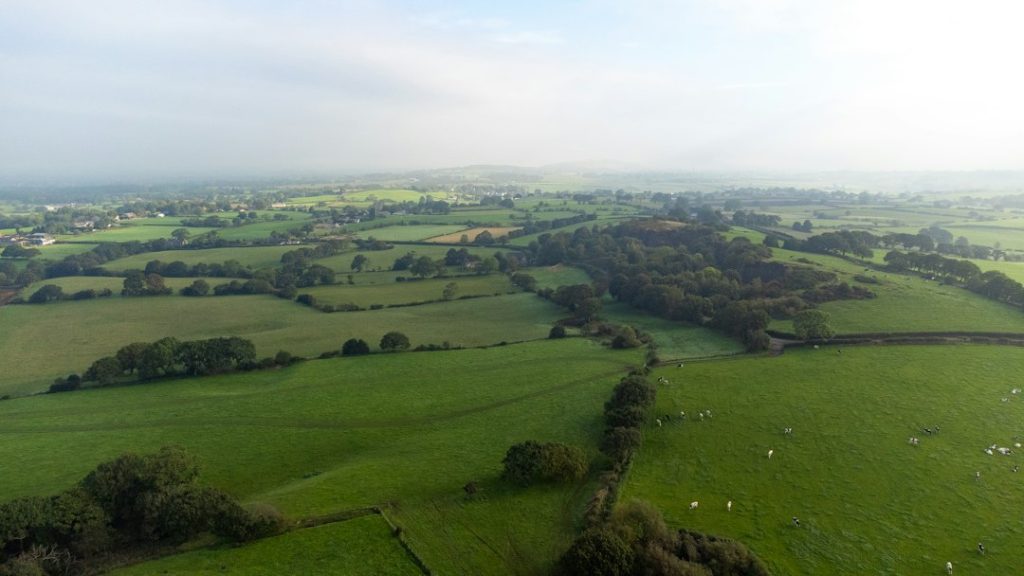
At a small airfield, the most memorable part of a flying day may be the aircraft outside the clubhouse, the familiar sound of activity on the field or the view of the countryside beyond the boundary. Yet behind the scenes, a great deal of work helps keep the light-aircraft community organised, informed and supported. Much of it is carried out by people whose contribution is less visible than the aircraft themselves.
A recent update from the Light Aircraft Association (LAA) put some of those roles in the spotlight. On 11 November 2026, the association announced four new inspector appointments: Barry Knight, Ken Kelso, Toby Gee and Tim Whitcombe. The notices are brief introductions, but together they offer a useful reminder of the people and specialist responsibilities that form part of the wider light-aviation ecosystem.
Why an inspector network matters
Light aviation includes a diverse range of aircraft and ownership arrangements. Some aircraft are factory-built; others are amateur-built, restored or maintained within specialist communities. The technical knowledge needed to support that variety is not held in one place. It is developed and shared through engineers, inspectors, owners, clubs, manufacturers and aviation organisations.
An inspector network helps connect specialist knowledge with aircraft owners and the association’s wider airworthiness processes. The exact responsibilities for any individual depend on their authorisation and the aircraft or work involved, so owners should always confirm the relevant scope directly with the LAA. The broader point is that a functioning community needs people who can apply technical standards consistently and communicate clearly.
That work is not always dramatic. It can involve careful examination, checking records, asking for clarification and ensuring that concerns are dealt with through the appropriate process. A dependable system relies on patience and attention to detail as much as on technical expertise.
Four appointments, one wider community
The LAA’s news page listed Barry Knight, Ken Kelso, Toby Gee and Tim Whitcombe as new inspectors on the same date. The announcements do not provide detailed biographies or describe individual areas of authorisation, so it would be wrong to guess at their backgrounds or responsibilities. What can be said is that the association is continuing to add people to the network that supports its members and the light-aircraft sector.
For aircraft owners, the practical lesson is to use the current official LAA directory and guidance when identifying the right contact for a particular aircraft or inspection matter. A name appearing in a news announcement should not be treated as confirmation that a person is authorised for every aircraft type or every kind of work.
For people considering involvement in aviation, the appointments also illustrate that there are many ways to contribute beyond piloting. Engineering, inspection, administration, mentoring, event organisation and club volunteering all help keep the community active. Not every aviation story begins in a cockpit.
Airworthiness is a shared responsibility
It is tempting to think of airworthiness as a single inspection or a certificate. In practice, it is part of an ongoing relationship between the aircraft, its records, the people responsible for its care and the applicable regulatory framework. Owners need to follow the correct maintenance and inspection requirements, retain accurate documentation and seek appropriately qualified advice when a question arises.
Good communication is essential. If an owner is unsure about a requirement, they should not rely on hearsay or assume that a procedure used on another aircraft automatically applies to theirs. Aircraft designs, modifications, operating categories and approval arrangements can differ. The safest approach is to consult the relevant official documentation and the organisation or professional responsible for the specific aircraft.
That culture of asking, checking and documenting is part of what makes a strong aviation community. It can seem less exciting than a fly-in or a long-awaited trip, but it underpins the confidence that allows those experiences to happen responsibly.
Keeping the human side of aviation visible
Airfields are communities as well as places where aircraft operate. Their strength comes from a mix of skills: pilots who share experience, engineers who understand complex systems, volunteers who organise events and specialists who help owners navigate technical requirements. Recognising new appointments is one small way of acknowledging that wider contribution.
The LAA announcements are not a detailed report on a policy change or a new technical standard. They are a people-focused update. Their value is in reminding readers that the future of light aviation depends on a continuing supply of capable, engaged individuals who are willing to support the aircraft and the people who care for them.
As the winter season approaches, it is a good moment for clubs and owners to appreciate the expertise around them, keep records in order and make sure questions are directed to the right source. A thriving flying community is built not only on memorable flights, but also on the quiet professionalism that supports every season.
Source: Light Aircraft Association, Latest News, 11 November 2026, announcements introducing Barry Knight, Ken Kelso, Toby Gee and Tim Whitcombe as new LAA inspectors. View the LAA news page.



Komentar