

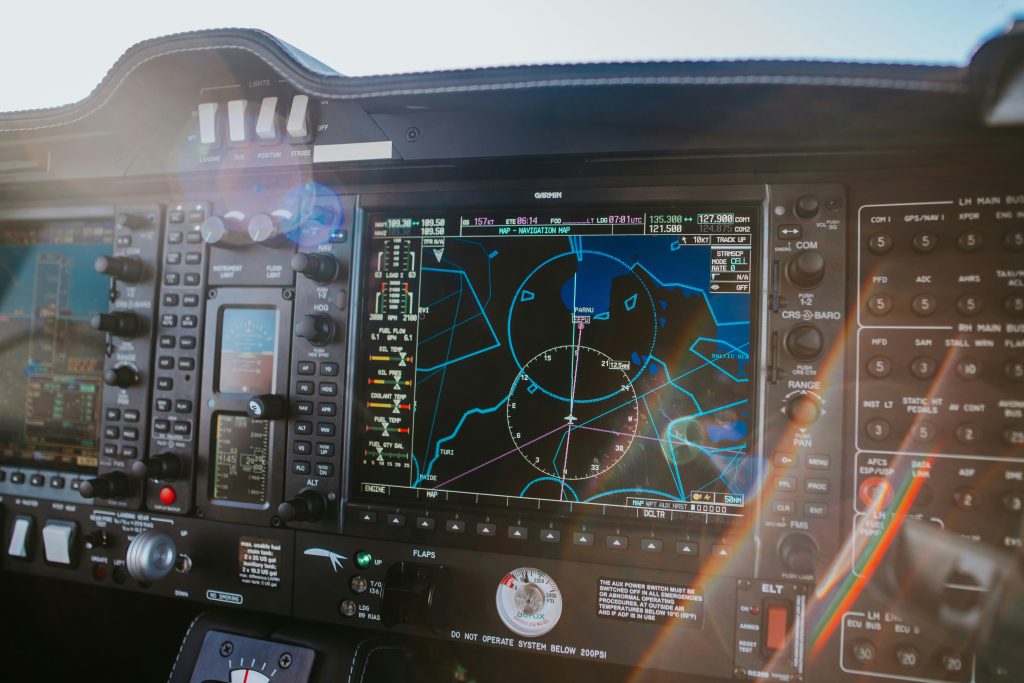
Decision-making is a skill that develops alongside aircraft handling. Students learn to gather relevant information, consider alternatives, communicate and follow procedures appropriate to the situation. The aim is not to guess what an instructor wants to hear, but to build a careful and explainable process. Questions and uncertainty are normal parts of learning when raised early. This guide is intended as an introduction for readers curious about learning to fly. Training arrangements vary, so the flying school and qualified instructor remain the right sources for advice about a particular course.
Why preparation makes a difference
Instructors look at more than the movement of the controls. Communication, preparation, awareness, following procedures and responding to feedback all contribute to progress. The specific standards depend on the training stage and syllabus. Students benefit from asking how a skill will be assessed and which habits they can practise between lessons without attempting activities beyond their training. Before acting on any technical or operational point, check that it applies to your training stage and aircraft. Instructors can explain the reasoning behind a procedure and show how it fits the approved syllabus.
Making the most of each lesson
Weather briefings are an opportunity to practise disciplined thinking. Students learn that conditions can vary by location and time, and that forecasts must be interpreted with the planned flight and applicable limits in mind. Only current official information and instructor guidance should be used for real operational decisions. A postponed lesson can still be valuable if it improves weather understanding. Write down questions, review feedback and make sure you understand the objective for the next session. If instructions are unclear, ask for clarification rather than filling gaps with assumptions. A steady approach supports learning and helps keep expectations realistic.
Communication and judgement
Flight training rarely follows a perfectly straight line. Some skills become comfortable quickly while others need more repetition, and weather or scheduling can affect continuity. Regular lessons, useful preparation and clear communication with an instructor can help maintain momentum. Training plans should be individual, realistic and based on demonstrated competence rather than a fixed promise about how quickly everyone will progress. Aviation learning includes teamwork and decision-making as well as technical skills. Clear communication helps instructors understand what the student knows and where more explanation may be useful. Being open about uncertainty is a strength because it allows the right support to be provided.
Using reliable information
Choosing a flying school is easier when prospective students ask clear questions. Ask about the training pathway, aircraft used, instructor availability, costs and what is included in quoted prices. It is also reasonable to ask how progress is reviewed and how weather cancellations are handled. Confirm current regulatory requirements with the UK Civil Aviation Authority and make decisions based on transparent information. General articles can help readers understand the vocabulary and prepare questions, but they cannot replace formal instruction. For current UK requirements, use Civil Aviation Authority information and the training provider’s official material. Avoid relying on old forum posts or advice that does not identify its source.
Questions worth asking
- What is the objective of the next lesson?
- Which topics should I review beforehand?
- How will progress and competency be discussed?
- Where can I find the current official guidance?
Conclusion
Flight training is a process of building knowledge, habits and judgement over time. The best results come from realistic expectations, active communication and consistent preparation. Speak with a reputable school or qualified instructor for advice that fits your circumstances, and verify current regulatory details before making decisions.
It can also help to keep a simple learning journal after each session. Note the main objective, the questions that came up and the points the instructor recommended reviewing. Keep the notes factual and use them to guide the next conversation, rather than treating them as a replacement for approved training material. Over time, this record can make progress easier to recognise and help students notice recurring themes.
Remember that every learner’s circumstances are different. Previous experience, lesson spacing, weather and aircraft availability can all influence how training feels from week to week. Avoid comparing progress too closely with another student. The most useful measure is whether the required knowledge and skills are developing to the standard explained by the instructor, with questions raised whenever something is unclear.



Komentar