

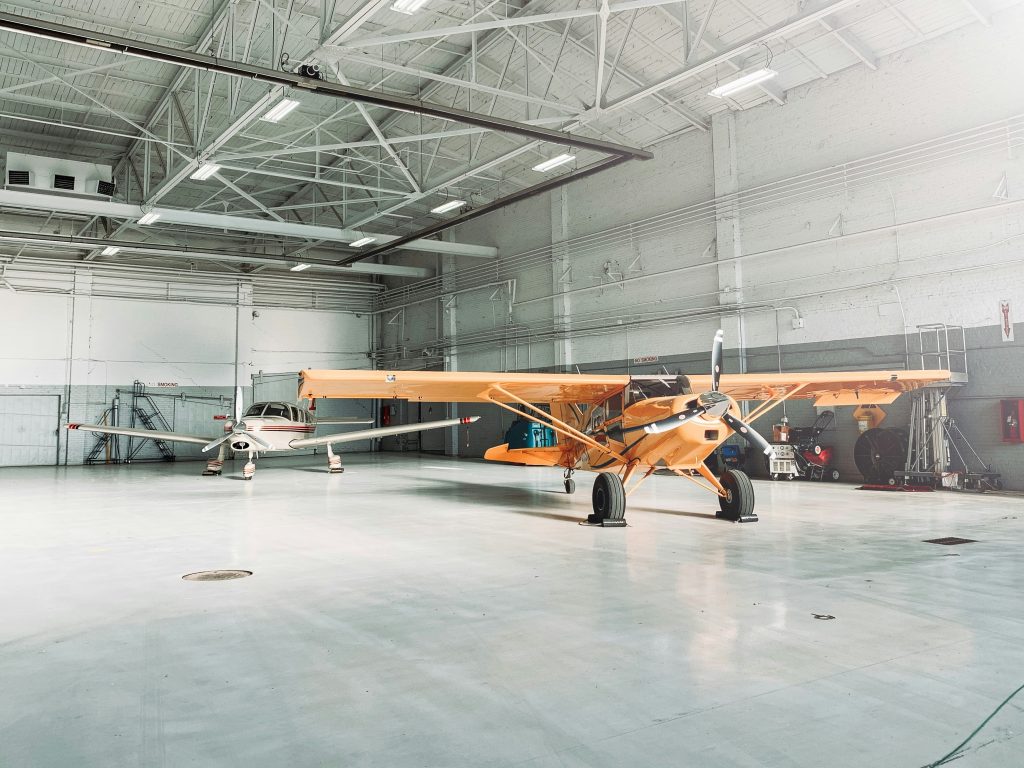
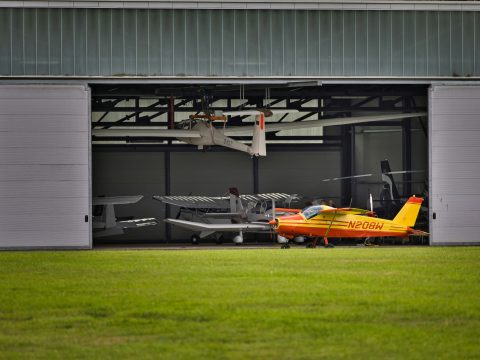
A visit to a flying club can be rewarding even without a flight. Visitors may learn about local aircraft, the history of an airfield, training pathways and the work that keeps aviation activities organised. It is courteous to check visiting arrangements in advance, stay in public or authorised areas and follow staff instructions. Photography and access rules differ, so ask before taking pictures or moving closer to aircraft. Respectful curiosity makes the visit better for everyone. This article explores the lifestyle around general aviation for curious readers, aviation enthusiasts and people considering their first introduction to the subject.
Look beyond the obvious
Watching aircraft can become a way to learn about engineering, geography and history. A registration, aircraft shape or club marking may prompt questions about the aircraft’s role and story. Reliable aviation references and conversations with knowledgeable enthusiasts can help separate confirmed facts from assumptions. It is also important to remember that aircraft may be privately owned and people at an airfield may be concentrating on a task; observe from permitted areas and be considerate. The most rewarding details are often small: a local tradition, a conversation with someone who has a different perspective, or a better understanding of the landscape. Taking time to notice these things creates a more thoughtful connection with aviation than focusing only on dramatic moments.
People and places shape the experience
Like any hobby, aviation needs to fit alongside work, family, study and other commitments. Some enthusiasts enjoy reading, photography, model building or attending events; others pursue formal training or fly when circumstances allow. There is no single correct level of participation. A balanced approach considers time, cost, travel and personal responsibilities honestly, allowing interest to remain rewarding rather than becoming a source of unnecessary pressure. Airfields are working environments as well as places of interest. Respect local rules, ask before entering unfamiliar areas and follow the instructions of club members or staff. This approach protects privacy and safety while making it easier to learn from the people who know the place best.
Preparation supports enjoyment
The destination is only one part of an aviation story. Preparation, changing views, conversations and the decisions made along the way can be equally memorable. In real flight operations, the route and destination must always be chosen and reviewed by qualified people using current information. For readers, the broader point is that learning to appreciate the process often makes the subject richer and helps explain why pilots value the discipline as well as the scenery. Even when the goal is simply to attend an event or explore a new subject, planning ahead reduces avoidable uncertainty. Check opening and visiting arrangements, consider travel time and keep expectations flexible. For any actual flying activity, operational planning must be completed by qualified pilots using current official sources and applicable procedures.
Keep learning at your own pace
Getting more from general aviation starts with curiosity and reliable information. Follow a club’s events, learn basic aircraft terminology, read about aviation heritage and ask respectful questions when opportunities arise. If considering a trial lesson or formal training, speak directly with a reputable provider about arrangements, costs, weather policies and current requirements. Keep in mind that introductory articles are for background understanding; specific decisions about flying belong with qualified instructors and official guidance. Aviation offers many ways to participate, from reading and photography to volunteering, watching aircraft or pursuing training. Choose activities that fit your interests and circumstances. If you are new, there is no need to know every technical detail immediately; thoughtful questions and reliable sources are a strong place to begin.
Make space for responsible curiosity
Flying changes the way familiar places can be noticed. From the air, roads, rivers, field boundaries and settlements form patterns that are easy to miss from ground level. For pilots, this view is not only scenic; it can also deepen an appreciation of geography and the relationship between communities and their surroundings. The experience depends on route, visibility, season and altitude, so no two views are quite the same. A good aviation community values curiosity alongside consideration. Do not assume access to aircraft or facilities, and be mindful that pilots and staff may be busy. Ask about photography, follow visitor guidance and avoid treating a general-interest story as a substitute for specific professional advice.
Practical ideas for readers
- Explore the history of a local airfield or flying club.
- Learn common aircraft types and basic aviation terminology.
- Check event and visitor arrangements before travelling.
- Use current official sources for regulatory or operational questions.
- Let the hobby fit realistically around other commitments.
Frequently asked question
How can someone get involved in general aviation without already being a pilot?
Start by reading reputable aviation publications, attending public events where permitted, visiting a club by arrangement or learning about aircraft and airfield history. If you want to experience flying, contact a reputable provider and ask about trial lessons, costs, weather policies and current requirements.
Conclusion
A recreational flying day often begins long before an aircraft moves. Checking the forecast, confirming arrangements, reviewing relevant information and speaking with other club members can all be part of the routine. These small tasks create a sense of readiness and help everyone understand the plan. A responsible routine also includes accepting that the weather or other circumstances may mean changing plans, because the purpose is to make good decisions rather than to force a departure. General aviation is as much about people, preparation and learning as it is about aircraft. By staying curious, respecting local arrangements and using reliable information, readers can appreciate the subject in a way that is rewarding and responsible.
Komentar