

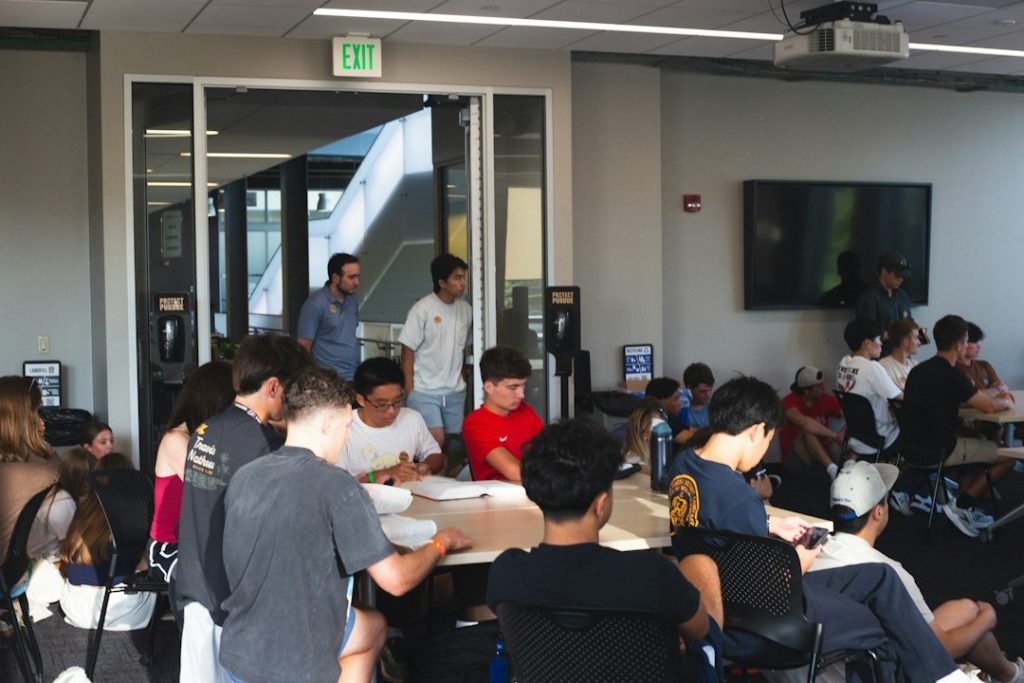
For many people, learning to fly begins with curiosity: an interest in aircraft, a visit to an airfield or a conversation with someone involved in aviation. The idea of taking a first lesson can feel exciting, but the learning process is broader than the time spent in an aircraft. Preparation, ground-based knowledge, communication and feedback all contribute to a thoughtful training experience.
This article offers a general introduction to the learning process. It is not a substitute for formal instruction, and training requirements vary by licence, aircraft category and current regulation. Prospective students should speak directly with a reputable training provider and consult current Civil Aviation Authority information.
Understanding the training pathway
A training provider can explain which course is appropriate, what qualifications or experience may be relevant, and how progress is assessed. It is useful to ask about the syllabus, instructor availability, aircraft used, expected costs and what is included in any quoted price. Students should also understand how weather-related cancellations and rescheduling are handled.
Clear information at the beginning helps establish realistic expectations. Training is not identical for every person, and the pace of progress depends on several factors, including lesson frequency, availability, weather and how confidently earlier topics are understood.
Ground knowledge gives context
Subjects such as meteorology, navigation, aircraft knowledge, human performance and air law help students understand the wider environment in which aviation takes place. These topics provide context for the decisions and procedures explained by an instructor.
Learning theory is not simply a test to pass. It helps students ask better questions and connect classroom concepts with the material covered during practical training. When a topic is unclear, asking for another explanation is more useful than memorising words without understanding them.
Preparation before a lesson
A useful preparation routine can be straightforward. Review the material recommended by the instructor, check the meeting arrangements, bring any required documents and arrive with enough time to settle in. Students can keep a short list of questions so that important points are not forgotten during the lesson.
Preparation should never become an attempt to replace the instructor’s briefing or current official material. General online articles can introduce terminology, but they cannot account for the particular aircraft, weather, airfield or training stage. The instructor remains the right person to explain what applies.
Feedback and reflection
After a lesson, students may benefit from recording the main learning objectives, questions that arose and topics recommended for review. A learning journal can help identify themes over time and make conversations with an instructor more focused.
Feedback should be treated as part of the learning process rather than as a judgement of personal ability. Some subjects take longer to understand than others. Asking for clarification is a responsible habit, especially when a student is unsure about an instruction or concept.
Communication and realistic expectations
Good instruction is a two-way process. Instructors explain objectives and provide feedback; students share what they understand and where they need more help. Being honest about uncertainty allows the instructor to adjust an explanation or revisit a topic.
Comparing progress with another student is rarely helpful because people have different schedules, backgrounds and learning needs. A more useful measure is whether the required knowledge and competencies are developing in line with the approved syllabus and the instructor’s assessment.
Choosing reliable information
Regulatory requirements can change, and information found in older forum posts may no longer be current. Use official CAA material for regulatory questions and the training provider’s current documentation for course-specific details. If two sources appear to conflict, ask the provider or regulator for clarification rather than guessing.
Conclusion
Learning to fly is a structured process built on preparation, knowledge, communication and qualified instruction. The time spent asking questions and reviewing feedback is part of the training, not separate from it. A steady approach helps students understand their progress and make informed decisions at each stage.

Komentar