


Microlight aircraft occupy a distinctive place in British aviation. Their lightweight construction and varied designs have helped make them a recognisable part of recreational flying, while the people and clubs around them contribute to a wider culture of local aviation. For newcomers, the subject can seem technical at first, but it becomes easier to understand when aircraft design, history and community are considered together.
This overview is intended as general background. It is not flight instruction or operational guidance. Anyone considering aviation activity should speak with an appropriately qualified instructor and check current Civil Aviation Authority requirements.
What does the term microlight mean?
Microlight is a regulatory and aviation term used for a category of lightweight aircraft that meet defined requirements. The exact definition and privileges depend on the applicable rules, which can change over time. It is therefore important not to assume that every small or light-looking aircraft belongs to the same category.
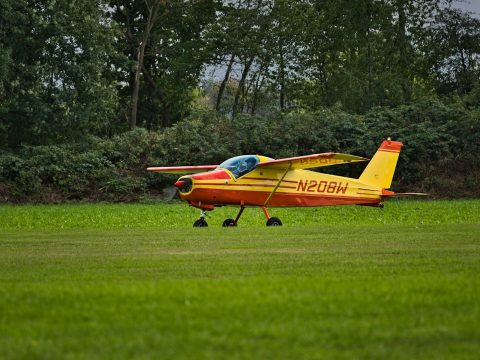
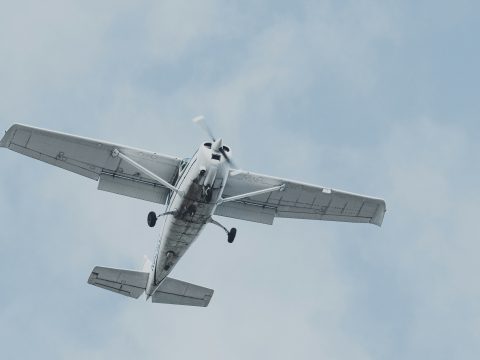
Microlights come in different configurations. Some have a weight-shift control system and a flexible wing, while others resemble small conventional aeroplanes with fixed wings and more familiar cockpit layouts. Design choices affect the aircraft’s characteristics, but they do not remove the need for proper training, maintenance and compliance with the rules.
A varied design history
Lightweight recreational aviation developed through experimentation, advances in materials and interest in accessible flying. Improvements in engines, structures, instruments and manufacturing have broadened the range of aircraft available. Modern examples may look very different from early designs, even when they share the broad idea of keeping the aircraft relatively light.
Aircraft design is always a balance. Designers consider structural strength, weight, performance, handling, operating costs and the intended use. No single feature tells the whole story, and comparisons need to account for the specific model and its approved documentation.
The role of clubs and local airfields
Microlight flying is often associated with smaller airfields and close-knit communities. Clubs can provide social connections, access to local knowledge and opportunities to learn about the wider aviation environment. They may also help newcomers understand the difference between general interest, introductory experiences and formal training.
Every airfield has its own arrangements. Visitors should check access rules in advance, respect marked areas, follow staff instructions and avoid approaching aircraft or operational spaces without permission. These simple courtesies help maintain a safe and welcoming environment.
Training and regulation
Training pathways depend on the aircraft category, licence or permit requirements, and the student’s circumstances. The Civil Aviation Authority publishes current information about licensing and relevant rules. A recognised training provider can explain what applies to a particular course and how progress is assessed.
Online articles are useful for learning vocabulary and preparing questions, but they cannot replace instruction. Aircraft-specific procedures, weather decisions and operational planning require qualified supervision and current approved information. Readers should be wary of advice that does not identify its source or date.
Maintenance and continuing airworthiness
Light aircraft still require careful maintenance and documentation. Owners and operators need to follow the applicable requirements for inspections, records and airworthiness. The details vary by aircraft and regulatory category, so general descriptions should never be treated as a substitute for the aircraft’s approved information or professional advice.
Maintenance also illustrates why the wider aviation community matters. Engineers, inspectors, owners and operators all contribute different knowledge. Clear records and timely communication help ensure that questions are directed to the right qualified person.
Landscape, heritage and public understanding
Small aircraft are part of the story of rural aviation in Britain. They connect local airfields with wider themes such as engineering education, recreation, landscape appreciation and community identity. Public understanding improves when aviation organisations explain what happens at an airfield and listen to local questions about noise, access and environmental effects.
Conclusion
Microlight aviation is more than a particular aircraft shape. It is a field shaped by design history, regulation, training, maintenance and local communities. Understanding those connections gives readers a more balanced view of the subject and provides a sound starting point for further learning through official sources and qualified professionals.


Komentar