

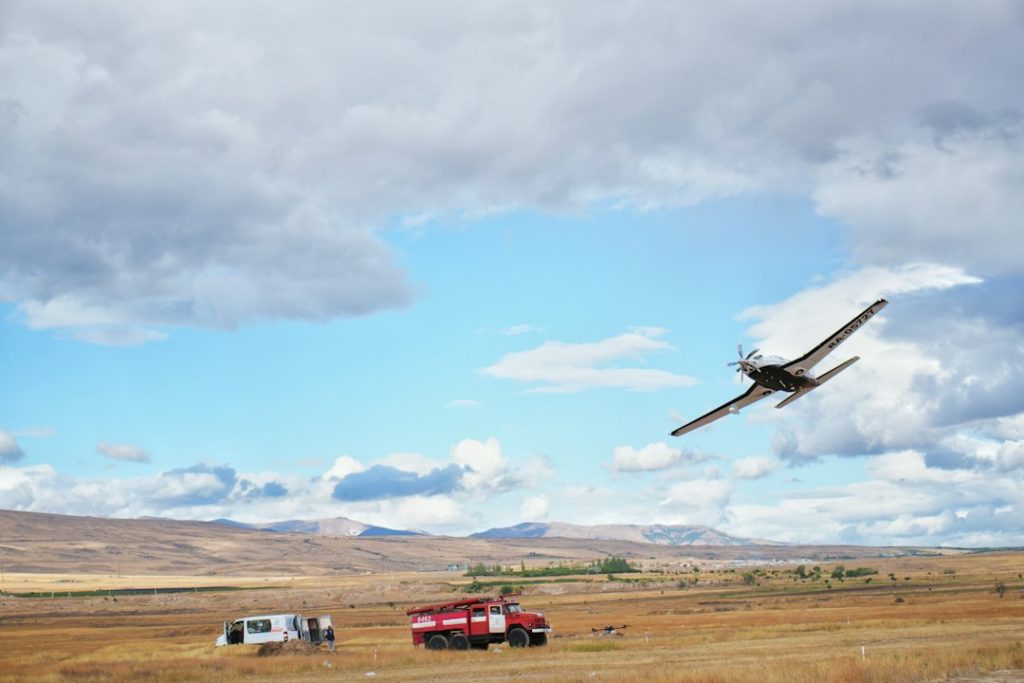
General aviation is often associated with the view from an aircraft, but the experience begins and ends with people and places on the ground. Local airfields bring together pilots, engineers, instructors, volunteers, visitors and neighbours. Their shared interest can create a distinctive community around learning, heritage and the landscape.
For people who are new to aviation, this social dimension can be just as interesting as the aircraft themselves. A flying club may be a place to ask questions, discover different roles in the sector or learn about the history of a local airfield. Each organisation has its own character, and every visit should follow its access arrangements and guidance.
Airfields as local meeting places
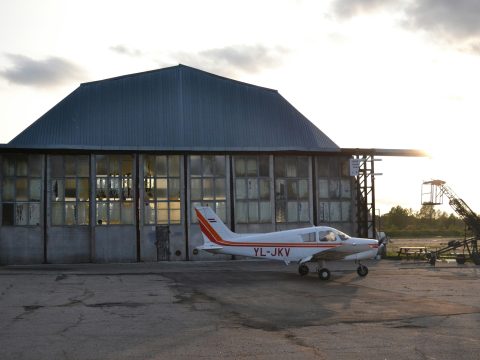
Many smaller airfields have developed strong identities over time. Some are connected with historic aircraft, others with training or recreational flying, and some support a mixture of activities. The clubhouse, hangar, workshop and event space can become familiar places where knowledge is shared across generations.
These environments are not simply leisure venues. They are working places with operational boundaries, local procedures and responsibilities. Visitors should check whether access is available, remain in permitted areas and follow instructions from staff or club members.
Learning from different generations
Aviation communities often bring together people with different levels of experience. Long-standing members may remember changes in aircraft design or local airfield history, while newer participants may bring knowledge of digital tools, communications and emerging technology. Conversation between generations can help preserve practical knowledge while keeping the community open to new ideas.
Mentoring does not have to mean formal instruction. It may involve explaining terminology, pointing someone towards reliable resources or describing how a club organises its activities. Technical and operational questions, however, should always be directed to appropriately qualified people.
The landscape from another perspective
Aircraft can offer a different way of appreciating geography. Rivers, roads, coastlines, fields and settlements form patterns that may be less obvious from ground level. This perspective can encourage curiosity about local history, land use and the relationship between communities and their surroundings.
Enjoying landscape photography or learning about aerial geography does not require operational knowledge. Public exhibitions, museum collections, books and supervised airfield events can provide accessible ways to explore the subject.
Events, heritage and public understanding
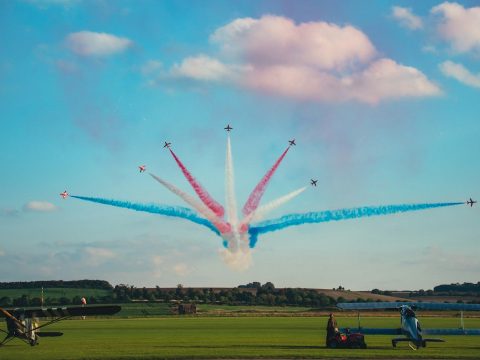
Open days and aviation heritage events can help communities understand what happens at an airfield. Displays may explain aircraft development, engineering, navigation history or the role of volunteers. Good events provide clear visitor information and explain which areas are open to the public.
Public engagement works best when it is two-way. Aviation organisations can describe the educational and community value of their activities, while residents can raise questions about noise, access and environmental considerations. Listening carefully helps build trust and identify practical improvements.
Responsible participation
There are many ways to become interested in aviation without taking part in flying activity. People may enjoy aircraft photography from permitted public locations, read about aviation history, attend suitable events, volunteer in non-operational roles or learn about engineering and meteorology.
Anyone considering formal training should speak with a reputable provider about requirements, costs and arrangements. Decisions about actual flying belong with qualified pilots and instructors using current official information. Flexibility is important because weather, aircraft availability and local circumstances can change plans.
Keeping community culture welcoming
A healthy aviation community values safety, respect and inclusion. Clear visitor guidance, accessible information and a willingness to answer reasonable questions help newcomers feel welcome. Clubs can also make a difference by explaining different career and volunteering pathways rather than assuming everyone arrives with the same background or knowledge.
Conclusion
General aviation is shaped by much more than aircraft. Its clubs, airfields, volunteers, engineers and local communities preserve knowledge and create opportunities to learn. By approaching the subject with curiosity and respect for local rules, visitors can discover the people and places that give aviation its wider cultural value.
Komentar