

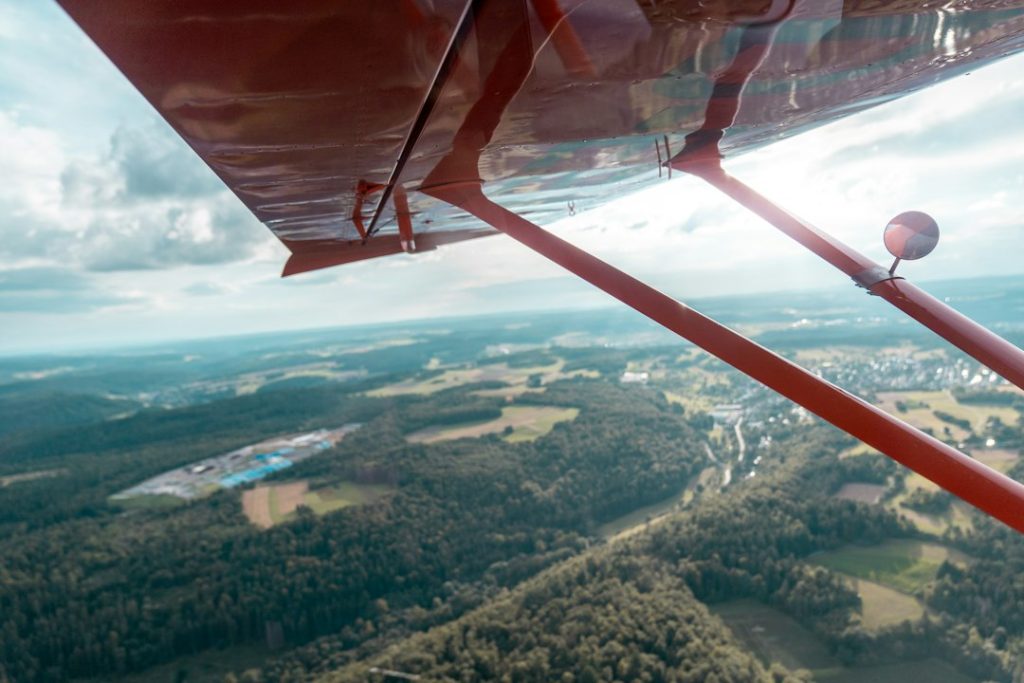
The Direct Fly Alto NG 600kg microlight was expected to arrive in the UK in April to begin its type approval process, with a demonstrator planned for the Popham Microlight Trade Fair in early May. The development is relevant to the wider UK aviation community because it touches on the people, organisations and decisions that shape how flying evolves. For readers of Shadow Flight Centre, the story offers a useful view of the changes taking place beyond any single airfield or aircraft type.
What has happened
The Direct Fly Alto NG 600kg microlight was expected to arrive in the UK in April to begin its type approval process, with a demonstrator planned for the Popham Microlight Trade Fair in early May. The announcement should be read in its proper context: it describes a specific development at a particular point in time, rather than a complete picture of the sector. The details matter, and the next stages will show how the initial decision or achievement translates into practical outcomes.
Why the development matters
The aircraft was being brought to the UK through a new joint venture involving Exodus Aircraft and Flylight Airsports. The Alto NG is an all-metal, low-wing design powered by a Rotax 912S engine, with a cabin and luggage capacity aimed at recreational owners, clubs and potential training operators.
The wider aviation picture
A new aircraft entering a national market must establish more than performance figures. Prospective operators also consider support, maintenance arrangements, parts availability, training and how the aircraft fits their intended use. Across general aviation, training and the wider aerospace sector, developments rarely happen in isolation. They influence confidence, investment, skills and public understanding. That is why a seemingly specialised announcement can be relevant to people well beyond the organisation directly involved.
What happens next
The demonstrator’s arrival and the progress of the approval process were the key milestones to follow. Any future UK availability would depend on the relevant regulatory steps being completed and on the importer building the support network needed by owners.
The human side of aviation
Aviation is built around people working together: pilots, instructors, engineers, airfield teams, regulators, volunteers and local communities. Changes in policy or technology become meaningful when they improve the way these groups work, learn and plan. The strongest developments are those that combine ambition with realistic expectations and clear communication.
What readers should take away
The announcement added another design to the UK’s evolving microlight landscape. It also showed how specialist importers and established air-sports businesses can help connect European manufacturers with British pilots and clubs.
Looking ahead
The story will continue to develop as more information becomes available and the organisations involved move from announcement to implementation. Readers should distinguish confirmed facts from future expectations, and check current official guidance before making decisions that affect training, licensing, aircraft ownership or travel. Shadow Flight Centre will continue to follow the broader themes shaping British flying, from grassroots aviation to the technologies and skills that may define its future.



Komentar