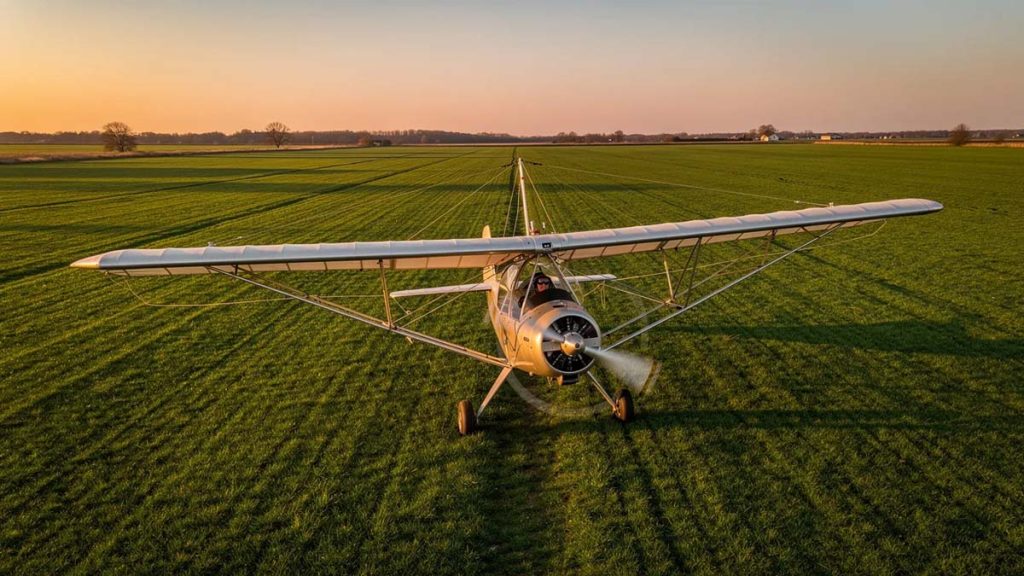
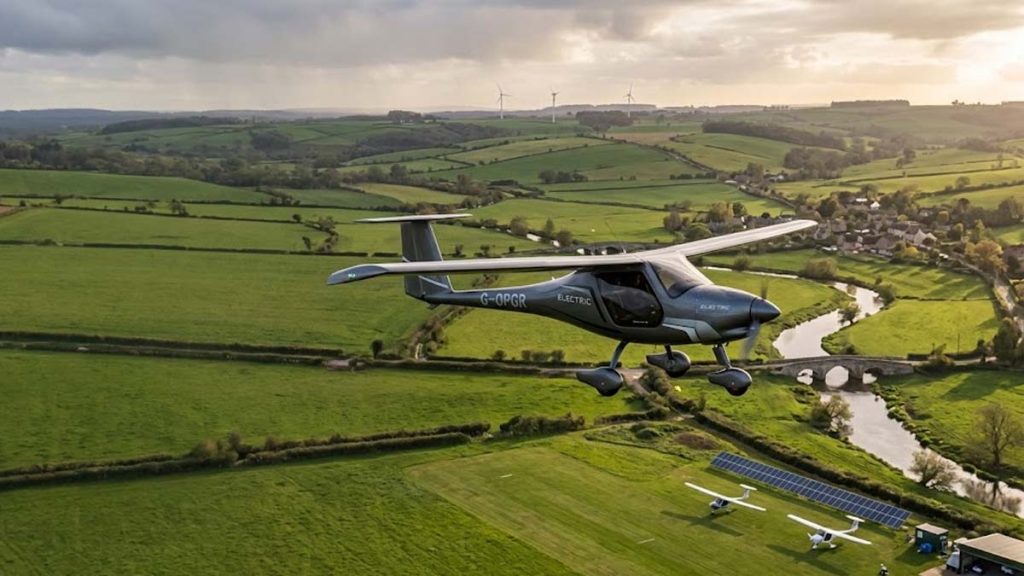
On a mist-covered runway in the English countryside, a modest, featherweight aircraft glides silently through the crisp morning air. To an outsider, it looks like an ordinary light aircraft. But beneath its sleek composite skin lies a technology that has spent the last decade quietly dismantling the financial and environmental barriers of general aviation.
For generations, learning to fly in the United Kingdom was an elite pursuit reserved for the wealthy or the fiercely dedicated. High fuel costs, stringent maintenance regulations, and aging engine designs kept grassroots aviation grounded in the 20th century. However, a silent shift—driven by electric propulsion, permit-led innovation, and lightweight materials—has sparked a total modern renaissance in British leisure flying.
The Heavy Price of Yesterday’s Flight
To understand today’s quiet revolution, one must look at the legacy of traditional British recreational flying. For decades, training airfields were dominated by two-seat trainers built in the 1960s and 1970s. While robust, these aircraft relied on thirsty engines burning leaded aviation fuel (Avgas), pushing hourly rental rates into hundreds of pounds.
As maintenance costs soared and environmental regulations tightened, smaller airfields across the UK faced closure. The hobby was bleeding enthusiasts. Older pilots were retiring, and younger generations—accustomed to clean tech and sustainable mobility—found the high barrier to entry impossible to justify.
Enter the Ultra-Light Pioneers
The initial spark of change came from the British Microlight Aircraft Association (BMAA) and the Light Aircraft Association (LAA). By pushing for modernized regulatory frameworks, they allowed modern, factory-built light sport aircraft to thrive under simplified certification rules.
Instead of heavy metal airframes and legacy engines, a new wave of European-designed light aircraft arrived in the UK. Crafted from high-strength carbon fiber and powered by highly efficient engines, these planes delivered extraordinary performance while consuming a fraction of the fuel of traditional trainers. Suddenly, cross-country flying became faster, cheaper, and significantly more accessible.
The Silent Power of Electric Aviation
While efficient petrol engines opened the door, electric propulsion blew it wide open. The introduction of certified electric two-seaters into British flight schools marked a historical turning point.
Flying an electric aircraft is a fundamentally different experience. Without the deafening roar and vibration of an internal combustion engine, cockpit noise drops dramatically. The immediate torque provides effortless takeoff performance, while zero direct emissions appeal directly to an eco-conscious generation. Crucially, the operating costs per flight hour drop significantly, allowing flight schools to lower tuition fees and bring pilot licenses back within reach of everyday enthusiasts.
Community Airfields and the Local Renaissance
Beyond the technology itself, the real heart of this revolution lies in Britain’s network of grass airfields. Small, community-operated airstrips—once struggling to justify their existence—are reinventing themselves as vibrant hubs for modern airmanship.
Solar charging stations are now appearing alongside traditional hangars. Local flying clubs are reporting an influx of younger student pilots, drawn in by lower costs and modern digital avionics that look more like modern smartphones than 1950s dial dashboards. This grassroots revival is breathing new life into rural aviation infrastructure across the country.
What Lies Above the Horizon
The quiet transformation of British leisure flying is far from over. As battery energy density continues to improve, flight endurance will increase, opening up longer cross-country routes across the Highlands, Wales, and the coastline. Furthermore, the lessons learned in recreational flying are already laying the groundwork for urban air mobility and regional air taxis across Europe.
What began as a subtle movement among homebuilders and visionary engineers has grown into a full-scale aviation transformation. Up in the UK skies, the future of flight is no longer defined by roaring engines and heavy footprints—it is sleek, efficient, and remarkably quiet.