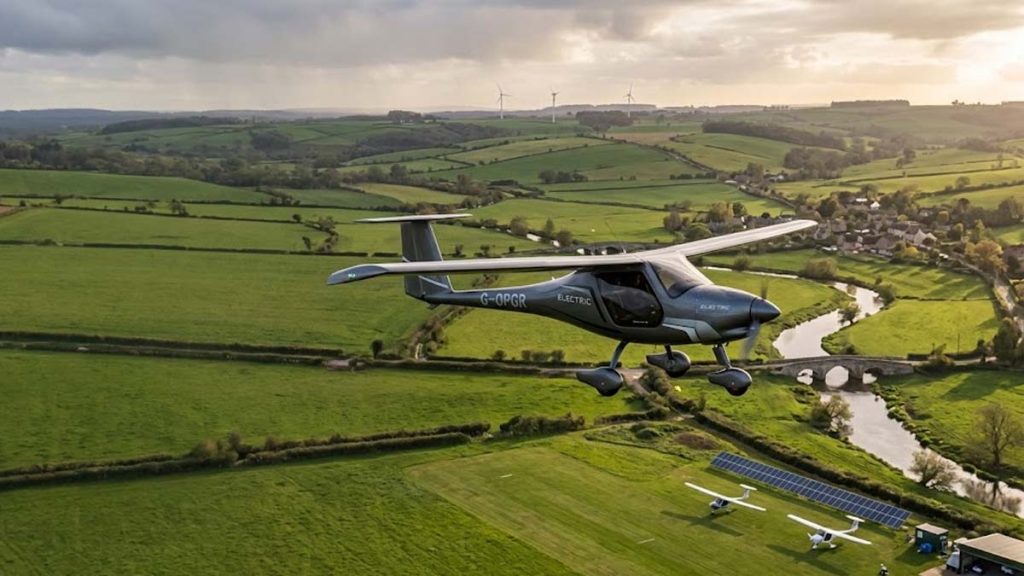
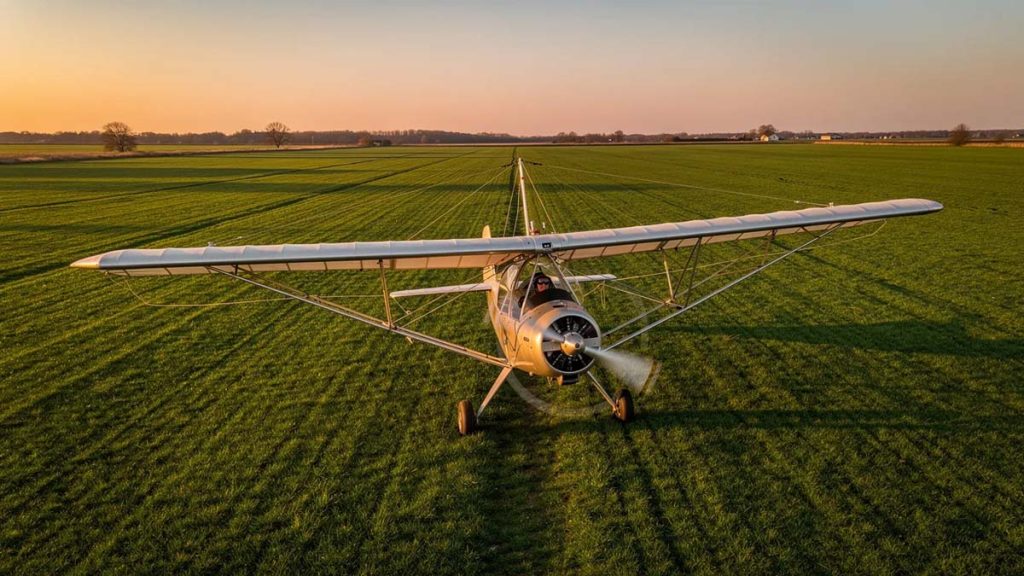
At 3,000 feet above the ground, with the gentle hum of an engine and the landscape unfolding like a patchwork quilt below, flying feels less like traveling and more like floating. For thousands of pilots worldwide, this pure sensation of flight isn’t found in the pressurized cabins of commercial airliners or complex multi-engine twin jets. It is found in the cockpit of lightweight aircraft.
From ultra-lights and micro-lights to modern Light Sport Aircraft (LSA), these nimble flying machines have captivated aviators for decades. But what is it about lightweight aviation that continues to fascinate both veteran aviators and the next generation of flyers?
The Pure Joy of Hands-On Flying
In an era where modern commercial aviation is heavily automated, lightweight aircraft offer something increasingly rare: tactile, raw aviation. In a light aircraft, every gentle nudge of the control stick and every subtle pressure on the rudder pedals yields an immediate, tangible response.
Pilots describe this as “flying by the seat of your pants.” Without layers of complex flight computers between the control inputs and the airframe, the aviator feels truly connected to the sky. It brings flying back to its purest elements—aerodynamics, wind currents, and personal skill.
Breaking the Financial Sound Barrier
Historically, personal aviation was an expensive hobby reserved for the ultra-wealthy. Traditional general aviation aircraft carry hefty price tags, steep maintenance overheads, and high hourly fuel consumption rates.
Lightweight aircraft have completely redefined this cost equation. Powered by modern, highly efficient engines or cutting-edge electric powertrains, light aircraft consume a fraction of the fuel used by legacy training planes. Lower acquisition costs, simplified maintenance schedules, and reduced operating fees have made earning a pilot license and owning an aircraft achievable for everyday aviation enthusiasts around the globe.
Access to Hidden Horizons
One of the greatest freedoms lightweight aviation provides is access. Heavy twin-engine or high-performance aircraft require long, paved runways and fully equipped airport infrastructure. Lightweight planes, on the other hand, can effortlessly operate from short, grass airstrips, private farm fields, and remote backcountry runways.
This versatility opens up a world of adventure that traditional flying simply cannot match. Whether landing on a remote gravel bar in Alaska, a coastal grass strip in Scotland, or an idyllic airfield in the Australian Outback, light aircraft allow pilots to explore corners of the planet that remain entirely hidden from commercial flight paths.
Modern Innovation Meets Modern Sustainability
The light aircraft sector has become the ultimate playground for modern aerospace engineering. Unshackled by the slow-moving certification processes of heavy transport aircraft, lightweight manufacturers are aggressively adopting composite materials, digital glass cockpits, advanced ballistic recovery parachutes, and alternative propulsion.
Electric aircraft, in particular, are finding their natural home in the lightweight category. With quiet operation and zero direct emissions, electric light sport planes are already revolutionizing flight training centers, serving as the frontline for a greener aviation industry.
A Growing Global Community
Beyond the technology and freedom, the fascination with lightweight flying is kept alive by a passionate global community. Flying clubs, air rallies, and grassroots aviation fly-ins bring together people from all walks of life who share a common dream of flight.
As technology advances and flight becomes more accessible, the allure of lightweight aviation shows no signs of fading. For anyone who has ever looked up at the clouds and wished for wings, these remarkable machines offer the simplest, most exhilarating way to turn that dream into reality.